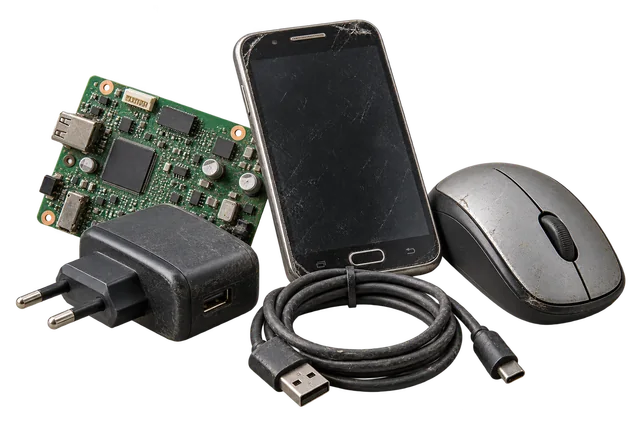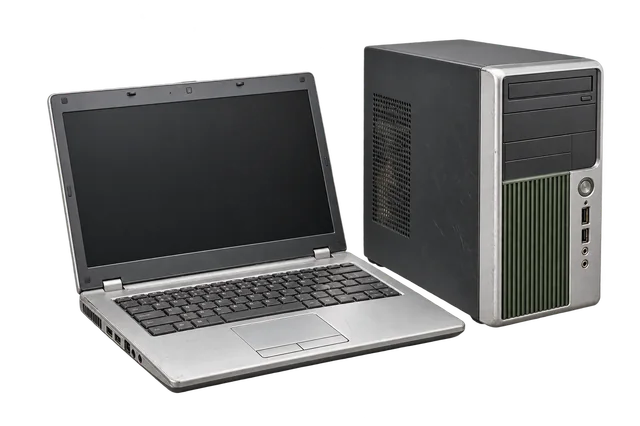
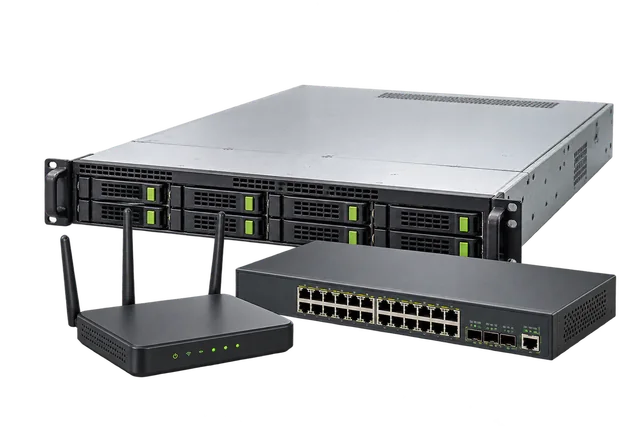
An office e-waste clearance is an asset and data-handling exercise before it is a collection job. The strongest starting point is an approved inventory: what is leaving, where it is located and who can authorise the handover.
Build an approved release list
| Group | Useful information |
|---|---|
| Computers and laptops | Count, model group, condition and whether storage is retained |
| Monitors and printers | Count, size or type, condition and floor |
| Servers and networking | Rack status, access, disconnection responsibility and loading route |
| Batteries and UPS | Type, quantity and any damage or leakage |
Assign data and release ownership
Your organisation should identify who owns data erasure, drive retention and asset approval. Collection does not by itself establish data destruction or change asset ownership. Set these decisions before the collection window so the on-site team receives a clear, approved scope.
Confirm building and loading access
Share the address, gate-pass process, floor, lift capacity, loading bay, permitted hours and one on-site contact. If equipment is installed, connected or rack-mounted, clarify the disconnection and movement responsibilities before confirming a date.
Plan a business e-waste assessment
Share your IT inventory, condition and collection location for review.
Explore business collectionFrequently asked questions
Can a business mix different device types in one collection?
Yes, but list each group separately so assessment, data handling and access requirements are clear.
Does collection include data destruction?
Do not assume so. Complete your own data-handling process or confirm a suitable specialised arrangement before release.